
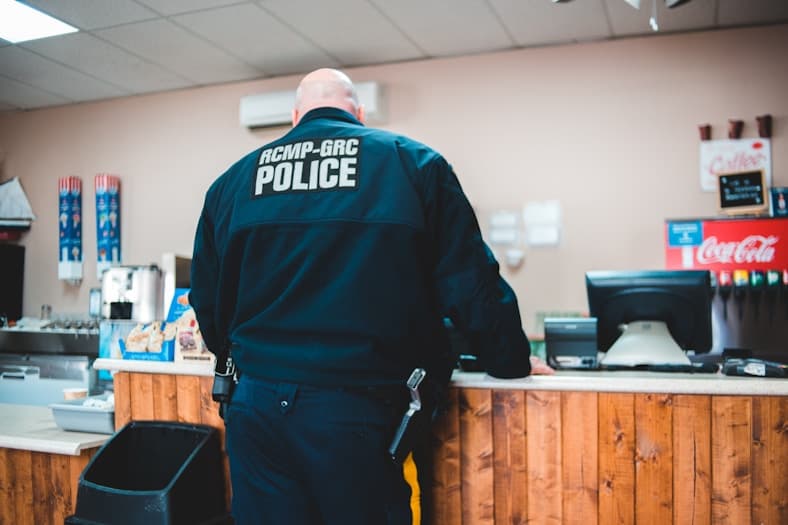
In the realm of public oversight, transparency is more than a buzzword—it is a legal requirement. When allegations of misconduct or breaches of the Code of Conduct arise within Ontario's police services, the resulting tribunal hearings are pivotal moments for both the officers involved and the public they serve.
At the heart of these proceedings is the verbatim record. As Ontario transitions into a new era of oversight under the Community Safety and Policing Act (CSPA), the role of certified transcription in preserving accountability has never been more vital.
1. Navigating the New CSPA Framework
As of April 1, 2024, the Police Services Act was replaced by the CSPA, bringing significant changes to how disciplinary hearings and adjudications are handled. With the Law Enforcement Complaints Agency (LECA) and the Ontario Police Arbitration and Adjudication Commission (OPAAC) now overseeing these matters, the documentation standards are higher than ever.
A certified transcript is the primary tool used by these agencies to ensure that every testimony, cross-examination, and procedural ruling is documented with absolute precision.
2. Ensuring a Fair Hearing for All Parties
Police tribunal hearings are quasi-judicial. This means that while they aren't criminal trials, they follow many of the same rules of evidence and natural justice.
- For the Subject Officer: An accurate transcript is a shield. It ensures that their defense is recorded exactly as presented, providing the necessary grounds for a judicial review or appeal if a decision is contested.
- For the Complainant: It provides the assurance that their voice was heard and that the adjudication process was handled with the seriousness it deserves.
3. The "Accountability" Factor
Unlike private employment disputes, police tribunals often involve matters of significant public interest. Under the Statutory Powers Procedure Act, these proceedings are generally open to the public.
Transcripts serve as the permanent, searchable history of these events. They allow oversight bodies, the media, and the public to review the facts of a case long after the hearing has concluded. In 2026, where public trust in institutions is paramount, the "paper trail" created by professional transcriptionists is the ultimate tool for institutional transparency.
4. Precision in Complex Testimony
Tribunal hearings often involve technical jargon—ranging from use-of-force protocols and radio codes to complex forensic evidence.
General transcription services or automated AI software often struggle with the nuances of "police speak" and the multi-speaker environment of a hearing room. Authorized Court Transcriptionists are trained to recognize these specifics, ensuring that the final document is not just a collection of words, but a technically accurate legal record.
Your Partner in Professional Oversight
At Videoplus Transcription, we understand the sensitive nature of police tribunal and oversight recordings. We provide high-accuracy, certified transcription services for:
- Disciplinary Hearings (CSPA/PSA)
- Law Enforcement Complaints Agency (LECA) proceedings
- Police Service Board meetings
- Internal Affairs and Professional Standards interviews
Does your agency or legal team require a certified record of a recent tribunal?
We offer secure, confidential, and timely transcription services tailored to the specific needs of Ontario's law enforcement and legal communities.